


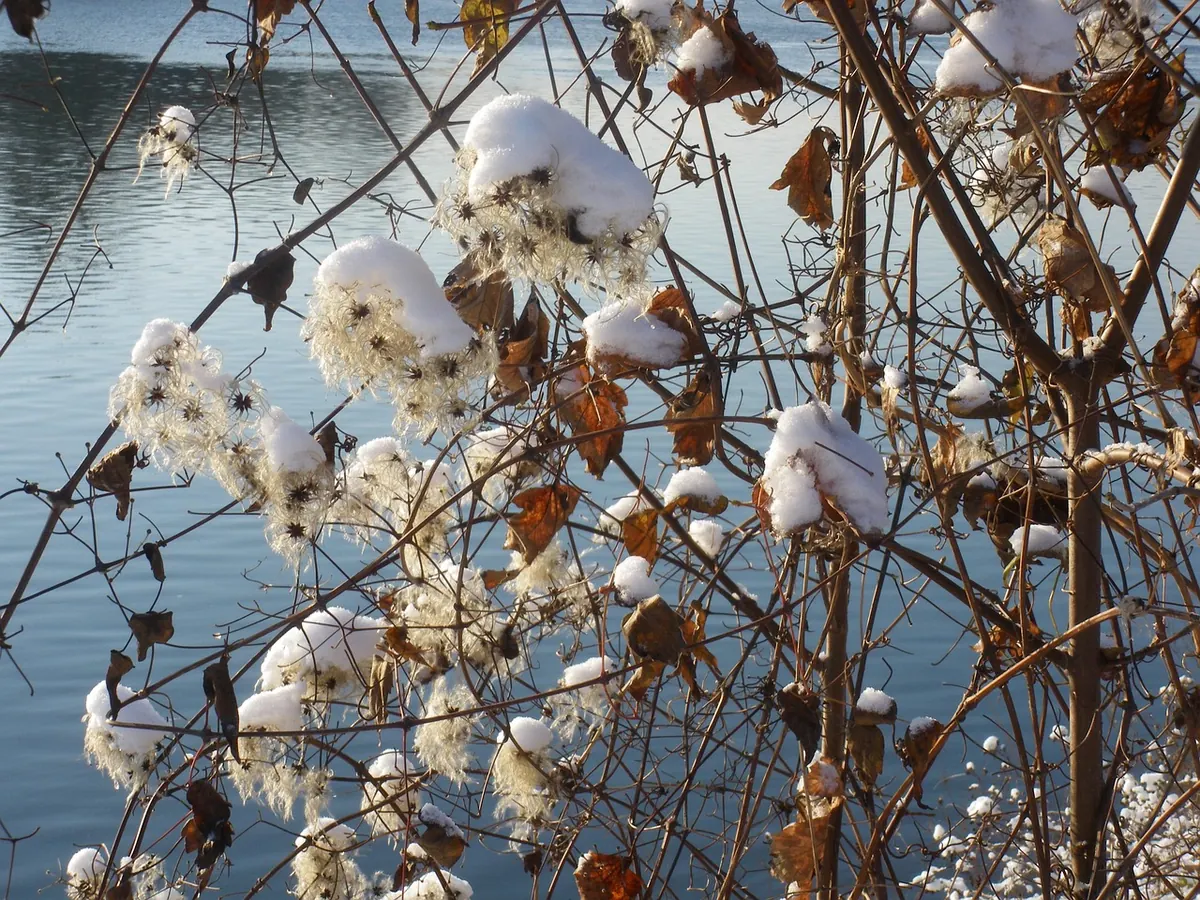
How to Identify Common Riverbank Plants Along the Little Wye
The Little Wye changes character every few hundred metres. One stretch runs shallow over gravel, another is fenced in by alders and deep shade, and a third is a bright, brambly bank where the water rarely reaches. That variety is exactly why the plant list is long — and why a single walk can feel overwhelming if you try to name everything at once.
It gets easier when you stop treating identification as a test. Look at four things, in the same order, every time. Most plants give themselves away in the first two.
Four Things to Check Before You Name Anything
Run down this list before you reach for a book, an app or a friend who knows more than you do. It slows the panic and gives you something to compare.
- Leaves — shape, edge, and whether they sit opposite each other on the stem or alternate up it.
- Stem — round or square, hollow or solid, smooth, hairy or spiny, plain or blotched with red.
- Flower or seedhead — flat umbel, upright spike, tight whorl, dangling bell. Note the month.
- Place — in the water, on wet gravel, on the steep bank, or in the tree line above it.
Take two photographs if you have a camera or phone: one of the whole plant with its surroundings, one close-up of a leaf and the flower. Date the picture. Half of riverbank botany is simply knowing what was out last month.
Reading the Leaves
The quickest split is arrangement. Nettles, water mint and most willows hold their leaves in opposite pairs. Himalayan balsam, comfrey and butterbur carry them alternately, one at a time up the stem. Getting that single habit right narrows the field fast.
Then look at the edge. Ferny, divided leaves that look like flat parsley belong to the umbellifers — cow parsley, hogweed, hemlock water dropwort. Broad leaves with wavy or toothed margins suggest comfrey or loosestrife. Smooth, glossy, kidney-shaped leaves low in the wet grass in April are usually marsh marigold.
Shape is often a matter of one word. Willow leaves are straps. Butterbur leaves are dustbin lids, sometimes nearly a metre across by midsummer. Alder leaves are round with a bluntly toothed edge, and they nearly always grow above a cluster of woody cones. Turn a leaf over, too: meadowsweet is dark green above and silvery-white beneath, which is a reliable tell even before the flowers open.
Smell can help, but be careful. Crushing a leaf of water mint gives an unmistakable mint hit, and sweet cicely smells faintly of aniseed. Never crush or taste a plant you can't yet place — several riverbank species are genuinely harmful.
Flowers, Seedheads and the Calendar
Timing does half the work for you. Marsh marigold and butterbur are the early ones; butterbur is odd because the pale flowers appear before any leaves, on bare stems in late winter and early spring. Willow catkins follow. By late May the bank is full of white cow parsley umbels and the first comfrey bells.
Midsummer belongs to meadowsweet, with creamy frothy heads that smell of hay and almonds. Purple loosestrife brings magenta spikes in July and August, standing tall among the grasses. Himalayan balsam flowers from July into autumn — pink, helmet-shaped, and unmistakable once you've seen one.
Seedheads are worth a second look in September. Balsam pods explode at a touch, flinging seeds into the water. Alder cones stay on the branch through winter. Willows release white fluff, which is seed rather than cotton and drifts over the surface in slow clouds.
Stems, Height and Habitat Zones
Reading the zone a plant grows in is often faster than reading the plant. Three rough bands cover most of the Little Wye.
At the water's edge
Expect reed sweet-grass, sedges and rushes. Sedges have edges — a triangular stem you can feel with your thumb — while rushes are round and pithy. Water mint creeps through the shallow margins, square-stemmed and low.
Gravel, silt and the lower bank
This is where the tall, fast-growing plants live. Butterbur, comfrey, meadowsweet, loosestrife, Himalayan balsam and the umbellifers all want wet feet and full sun. Stems here are often hollow, which lets them bend in a flood without snapping.
Bank top and tree line
Alder, willow, ash and bramble take over. Nettles crowd the shaded, nutrient-rich ground beneath them — a good marker for soil that is damp, rich and disturbed.
The Tall Crowd: Umbellifers and the Invasive Standouts
The white-flowered umbellifers cause more confusion than anything else on the bank. Cow parsley is the common one: hollow, grooved, slightly hairy stems, delicate ferny leaves, flat white heads from May to June. Hogweed is bigger and coarser, with broader leaves and a stout, bristly stem, sometimes purple-blotched.
Giant hogweed is a different order of plant altogether. It stands head and shoulders above a person, with leaves the size of a door and thick stems blotched with purple and bristly with white hairs. Its sap makes skin sensitive to sunlight, and blistering can be severe.
Do not touch giant hogweed, even to move a broken stem. If sap contacts skin, wash the area thoroughly with soap and water, keep it out of sunlight, and seek medical advice if blistering or irritation develops.
Hemlock water dropwort deserves the same respect. It grows at the water's edge with hollow grooved stems and small white umbels, and it is one of the most toxic plants in the country. Treat any water-side umbellifer you cannot confidently identify as off-limits, and keep children and dogs away from broken stems.
Two invasive plants are worth learning properly because they change the bank itself. Himalayan balsam has reddish, jointed, translucent stems that snap easily, serrated leaves and pink helmet flowers. Japanese knotweed grows as bamboo-like canes with shield-shaped leaves and sprays of creamy flower in late summer. Both spread quickly along watercourses and crowd out the natives behind them. Report knotweed to your local council or the environment body for your area if you find it well away from a known patch.
A Simple Riverbank Walk Routine
You don't need a formal survey to get good at this. You need repetition on the same stretch of water.
- Pick one short section — a couple of hundred metres is plenty — and walk it twice a month through the year.
- Photograph the whole plant, then a leaf, then the flower or seedhead. Note the zone it grows in.
- Learn one new species per walk properly. Ten well-known plants beat a hundred half-guesses.
- Study lookalikes in pairs: meadowsweet against comfrey, cow parsley against hogweed, sedge against rush.
- Keep a simple notebook with dates. Next spring, the same plants returning in the same places will feel like old neighbours.
One last habit: admire, photograph, and leave things growing. Picking and foraging along a riverbank is best left to people who can identify plants with total certainty, and some of the most innocent-looking species here have dangerous relatives nearby. Learn the leaves first, the names second — the names will come.
Photo: ctournaire / Pixabay